
Keynote Speaker
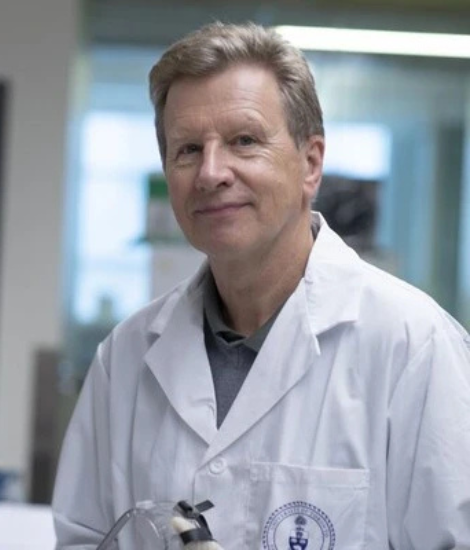
Professor Graham COLLINGRIDGE
Director, Tanz Centre for Research in Neurodegenerative Diseases
Professor, Department of Physiology
University of Toronto
Senior Investigator, Lunenfeld-Tanenbaum Research Institute,
Mount Sinai Hospital, Toronto
Professor Graham Collingridge is an internationally renowned neuroscientist and Professor in the Department of Physiology at the University of Toronto. He is widely recognized for his pioneering research on the mechanisms underlying synaptic plasticity, particularly long-term potentiation (LTP) and long-term depression (LTD) in the brain—processes fundamental to learning and memory.
Professor Collingridge has served as Chairs of the Department of Pharmacology at the University of Birmingham (UK), the Department of Anatomy at the University of Bristol and, most recently, the Department of Physiology at the University of Toronto. He was the founding Director of the MRC Centre for Synaptic Plasticity at the University of Bristol from 1999 until 2012 and retains a post within the School of Physiology, Pharmacology and Neuroscience in Bristol. Collingridge has held visiting ships at UBC and at Seoul National University, in South Korea. He has served as the President of the British Neuroscience Association and is currently the President of the Canadian Physiological Society. He served as Editor-in-Chief of Neuropharmacology from 1993 until 2010 and is currently a reviews editor for Molecular Brain. He is a Founder Fellow of the European DANA Alliance and a Founder Fellow of the Academy of Medical Sciences (UK). In 2001 he was elected a Fellow of The Royal Society. He serves on the scientific advisory board of Hello Bio and Brain Canada. Amongst the many recognitions for his research, Collingridge was, in 2016, a co-recipient with s Tim Bliss FRS and Richard Morris FRS of The Brain Prize, which is often regarded as the “Nobel Prize of Neuroscience.” In 2019, he was appointed a Commander of the Order of the British Empire (CBE) in the Queen’s birthday honours.
Keynote Speech Title: Dysregulated synaptic plasticity: From autism to Alzheimer’s disease
Abstract: Synapses are highly complex molecular machines with thousands of components; genetic, epigenetic of environmental impacts upon which result in a diverse array of brain disorders. We study the molecular basis of long-term potentiation (LTP) and long-term depression (LTD) in the hippocampus and its dysregulation in disease, with a current focus on glutamate receptors (NMDARs, AMPARs, mGluRs), protein kinases (PKA, PKB, PKC, GSK3) and tau. I will make the case that LTD gone awry is the principal cause of Alzheimer’s disease and that altered LTP and LTD are involved in the core features of autism.
Keynote Speaker
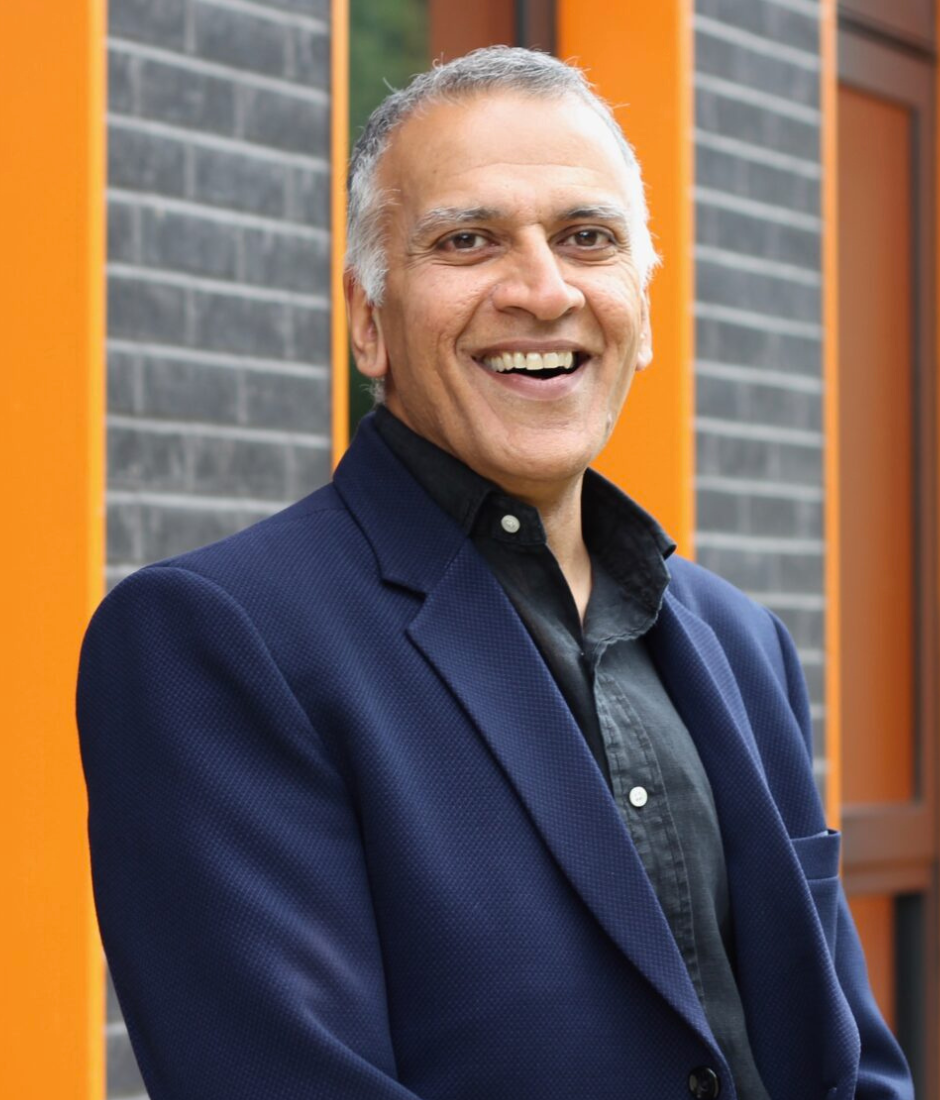
Professor Sukhwinder SHERGILL
Professor, Psychiatry & Systems Neuroscience
Director, King’s Centre for CNS Therapeutics
King’s College London
Professor Sukhi Shergill is Professor of Psychiatry at KMMS and Consultant Psychiatrist and Director of Research at the Kent wide NHS trust (KMPT) since October 2021. He is also Professor of Psychiatry and Systems Neuroscience at the Institute of Psychiatry, Psychology and Neuroscience, King’s College London (IoPPN-KCL). Professor Shergill graduated with a BSc (Honours) in Psychology from University College London in 1988 and an MBBS from University College and Middlesex School of Medicine in 1991. He became a Member of the Royal College of Psychiatrists in 1995 and completed his Certificate of Completion of Specialist Training in General Psychiatry in 2000. He was awarded his PhD by King’s College London in 2002.
Professor Shergill’s research focuses on the brain mechanisms involved in the symptoms of schizophrenia, using cutting-edge neuroimaging and psychophysics techniques. His work addresses both the “positive symptoms” (such as hallucinations and paranoia) and the “secondary symptoms” (affecting memory, attention, and social functioning) of schizophrenia. Notably, his research aims to develop novel treatments for the significant proportion of patients whose symptoms are resistant to current antipsychotic medications.
Keynote Speech Title: Making the mind: from seeing voices to believing worlds
Abstract: How does the brain turn sensory signals into the rich, and sometimes deceptive, world we experience? From “seeing voices” to forming delusional unshakable beliefs, this talk explores how we can use neuroimaging, cogntive neuroscience, psychophysics and psychopharmacology to understand how perception and imagination work together in the making of the mind. Discover how our brains don’t simply record reality—they create it.
Speakers
Featured Speakers
Invited Speaker:
Professor Geoffrey BIRD
Professor of Cognitive Neuroscience, European Research College London, University College London, University of Oxford
Invited Speaker:
Professor Yixuan KU
Professor, the Department of Psychology
Sun Yat-sen University
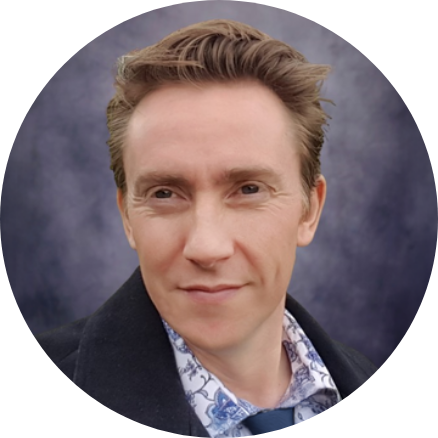
Invited Speaker:
Professor Andrew EDWARDS
Associate Head and Professor, Department of Health and Physical Education
The Education University of Hong Kong
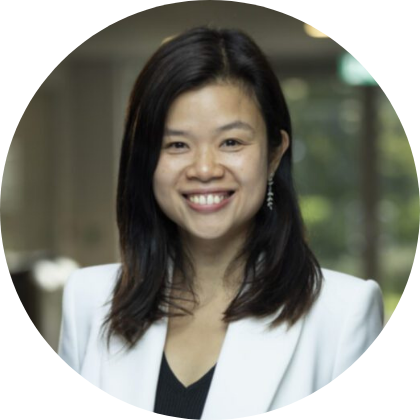
Invited Speaker:
Dr. Dorothy TSE
Reader in Psychology
Edge Hill University
