
Keynote Speaker
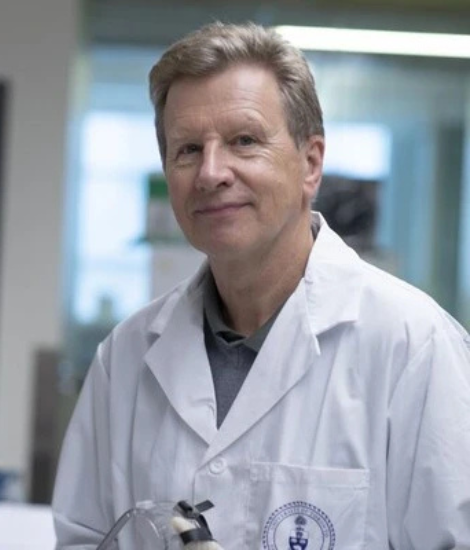
Professor Graham COLLINGRIDGE
Director, Tanz Centre for Research in Neurodegenerative Diseases
Professor, Department of Physiology
University of Toronto
Professor Graham Collingridge is an internationally renowned neuroscientist and Professor in the Department of Physiology at the University of Toronto. He is widely recognized for his pioneering research on the mechanisms underlying synaptic plasticity, particularly long-term potentiation (LTP) and long-term depression (LTD) in the brain—processes fundamental to learning and memory.
Professor Collingridge has served as Chairs of the Department of Pharmacology at the University of Birmingham (UK), the Department of Anatomy at the University of Bristol and, most recently, the Department of Physiology at the University of Toronto. He was the founding Director of the MRC Centre for Synaptic Plasticity at the University of Bristol from 1999 until 2012 and retains a post within the School of Physiology, Pharmacology and Neuroscience in Bristol. Collingridge has held visiting ships at UBC and at Seoul National University, in South Korea. He has served as the President of the British Neuroscience Association and is currently the President of the Canadian Physiological Society. He served as Editor-in-Chief of Neuropharmacology from 1993 until 2010 and is currently a reviews editor for Molecular Brain. He is a Founder Fellow of the European DANA Alliance and a Founder Fellow of the Academy of Medical Sciences (UK). In 2001 he was elected a Fellow of The Royal Society. He serves on the scientific advisory board of Hello Bio and Brain Canada. Amongst the many recognitions for his research, Collingridge was, in 2016, a co-recipient with s Tim Bliss FRS and Richard Morris FRS of The Brain Prize, which is often regarded as the “Nobel Prize of Neuroscience.” In 2019, he was appointed a Commander of the Order of the British Empire (CBE) in the Queen’s birthday honours.
Keynote Speaker
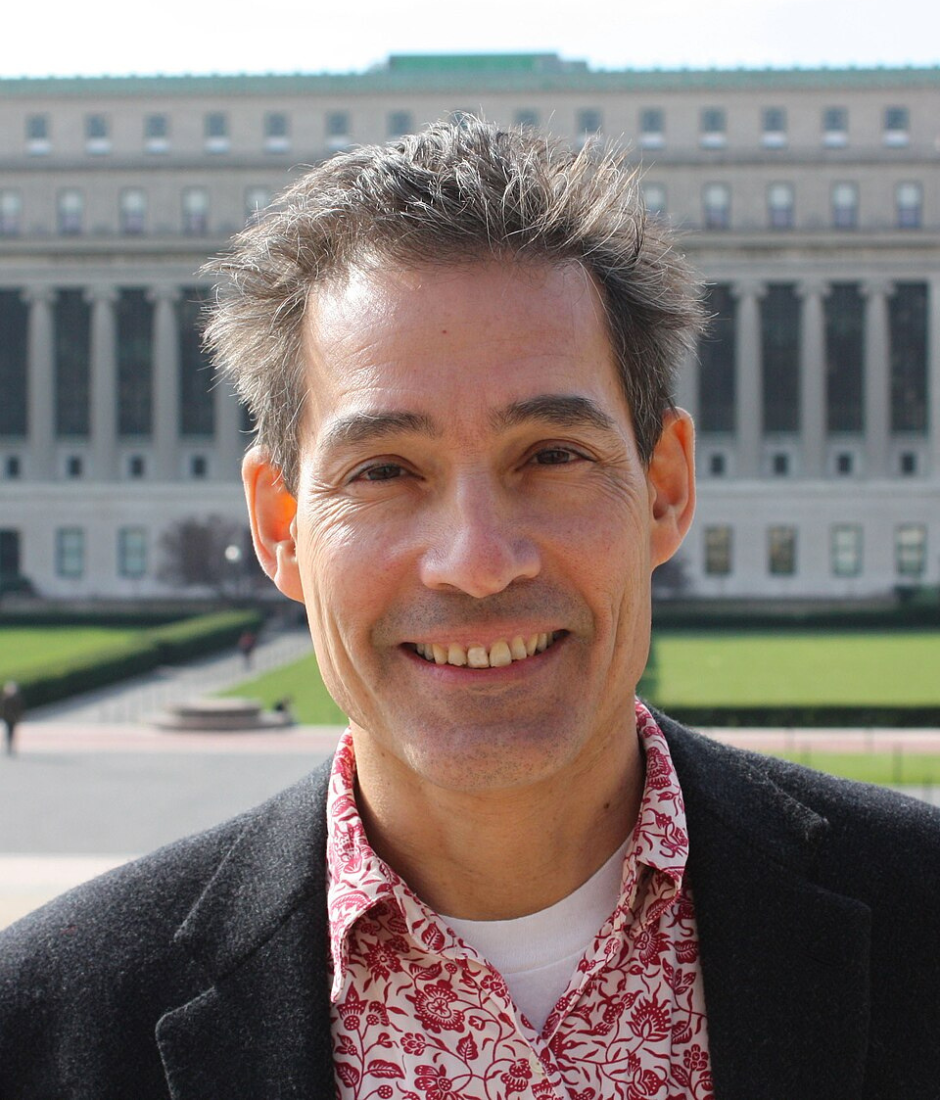
Professor George A. BONANNO
Professor of Clinical Psychology, Teachers College
Columbia University
Professor George A. Bonanno is internationally recognized as a pioneering scholar in the fields of trauma, bereavement, and psychological resilience. He currently serves as Professor of Clinical Psychology at Teachers College, Columbia University, where he has been a faculty member since 1999. Professor Bonanno’s empirical and theoretical contributions have fundamentally reshaped how scientists, clinicians, and the public understand the human capacity to cope with loss and traumatic life events. Professor Bonanno earned his Ph.D. from Yale University in 1991, following an undergraduate degree from Hampshire College. Early in his career, he completed a clinical internship at the West Haven VA Medical Center and a postdoctoral research fellowship in psychiatry at the University of California, San Francisco. He held an assistant professorship at The Catholic University of America before joining Columbia University, where he rose from Assistant Professor to full Professor. He has also held visiting and research appointments at esteemed institutions around the world, including the University of Bergen (Norway), San Raffaele Vita-Salute University (Italy), Università di Messina (Italy), Lund University (Sweden), and the University of Hong Kong.
Professor Bonanno is best known for his groundbreaking work on the trajectories of grief, trauma, and human resilience. His research has demonstrated that resilience in the face of adversity is not rare but, in fact, the most common outcome following loss or trauma. He introduced the concept of “regulatory flexibility” as a critical factor in adaptive coping, shifting the field away from rigid models of grieving and trauma responses.
Keynote Speaker
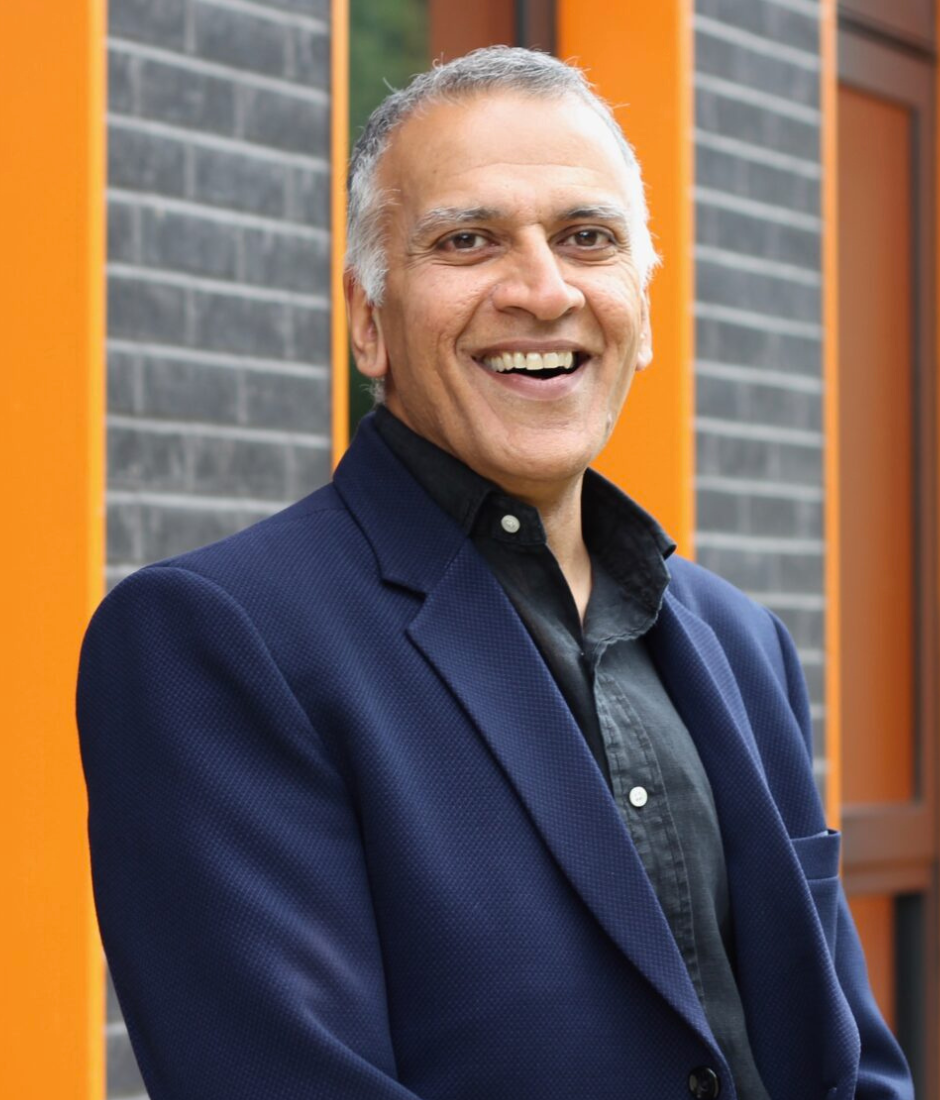
Professor Sukhwinder SHERGILL
Professor, Psychiatry & Systems Neuroscience
Director, King’s Centre for CNS Therapeutics
King’s College London
Professor Sukhi Shergill is Professor of Psychiatry at KMMS and Consultant Psychiatrist and Director of Research at the Kent wide NHS trust (KMPT) since October 2021. He is also Professor of Psychiatry and Systems Neuroscience at the Institute of Psychiatry, Psychology and Neuroscience, King’s College London (IoPPN-KCL). Professor Shergill graduated with a BSc (Honours) in Psychology from University College London in 1988 and an MBBS from University College and Middlesex School of Medicine in 1991. He became a Member of the Royal College of Psychiatrists in 1995 and completed his Certificate of Completion of Specialist Training in General Psychiatry in 2000. He was awarded his PhD by King’s College London in 2002.
Professor Shergill’s research focuses on the brain mechanisms involved in the symptoms of schizophrenia, using cutting-edge neuroimaging and psychophysics techniques. His work addresses both the “positive symptoms” (such as hallucinations and paranoia) and the “secondary symptoms” (affecting memory, attention, and social functioning) of schizophrenia. Notably, his research aims to develop novel treatments for the significant proportion of patients whose symptoms are resistant to current antipsychotic medications.
Speakers
Featured Speakers

Keynote Speaker:
Professor Graham COLLINGRIDGE
Director, Tanz Centre for Research in Neurodegenerative Diseases
Professor, Department of Physiology
University of Toronto
Keynote Speaker:
Professor George A. BONANNO
Professor of Clinical Psychology, Teachers College
Columbia University
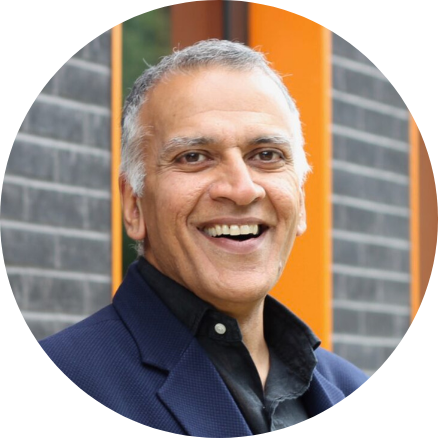
Keynote Speaker:
Professor Sukhwinder SHERGILL
Professor, Psychiatry & Systems Neuroscience
Director, King’s Centre for CNS Therapeutics
King’s College London


Invited Speaker:
Professor Yixuan KU
Professor, the Department of Psychology
Sun Yat-sen University
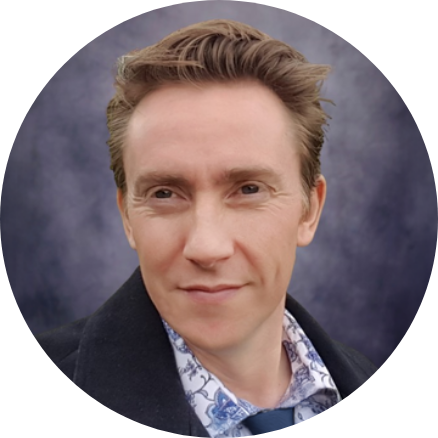
Invited Speaker:
Professor Andrew EDWARDS
Professor, Department of Health and Physical Education
The Education University of Hong Kong

Invited Speaker:
Dr. Dorothy TSE
Reader in Psychology
Edge Hill University